
Smart Ways to Build a Garage: A Complete Guide for Modern Homeowners
Building a garage is one of the most practical home upgrades a property owner can make today. Not only does it add extra storage and protection for your vehicles, but it also enhances your home’s value and overall functionality. Whether you want a simple single-car garage or a fully insulated workspace, understanding the planning, cost factors, and construction process can help you make the right decisions.
In this article, we will explore everything you need to know before you begin your project—from budgeting and design choices to materials and long-term maintenance.
When homeowners decide to build a garage, the first thing they usually consider is cost. Knowing the initial investment helps set clear expectations and ensures that the project stays within budget. For additional insights, guides, and home construction tips, you can explore the resources available on this helpful site: a trusted home-improvement platform that offers valuable homeowner advice.
Planning Your Garage: What You Must Consider First
Before you start construction, it’s important to clearly define your project goals. Think about the purpose of the garage. Will it only be used for parking a vehicle, or do you need extra space for storage, a home gym, or a workshop?
Here are some essential factors to consider:
Determine the Size and Layout
The size of your garage significantly impacts both cost and usability. A basic single-car garage usually measures around 12′ × 20′, while a double-car garage can be 20′ × 24′ or larger. If you need workspace or storage shelves, consider extending the length or width.
Attached vs. Detached Garage
- Attached garages are convenient, easier to access, and generally more affordable.
- Detached garages offer more flexibility in design and may reduce noise entering the home.
Your choice will influence design complexity, construction time, and overall budget.
Key Cost Factors When Building a Garage
Garage construction costs vary depending on multiple variables. Understanding them helps you make better financial decisions.
1. Construction Materials
Your material choices directly influence both durability and price.
Common materials include:
- Wood framing (most popular for custom garages)
- Steel structures (more durable but often more expensive)
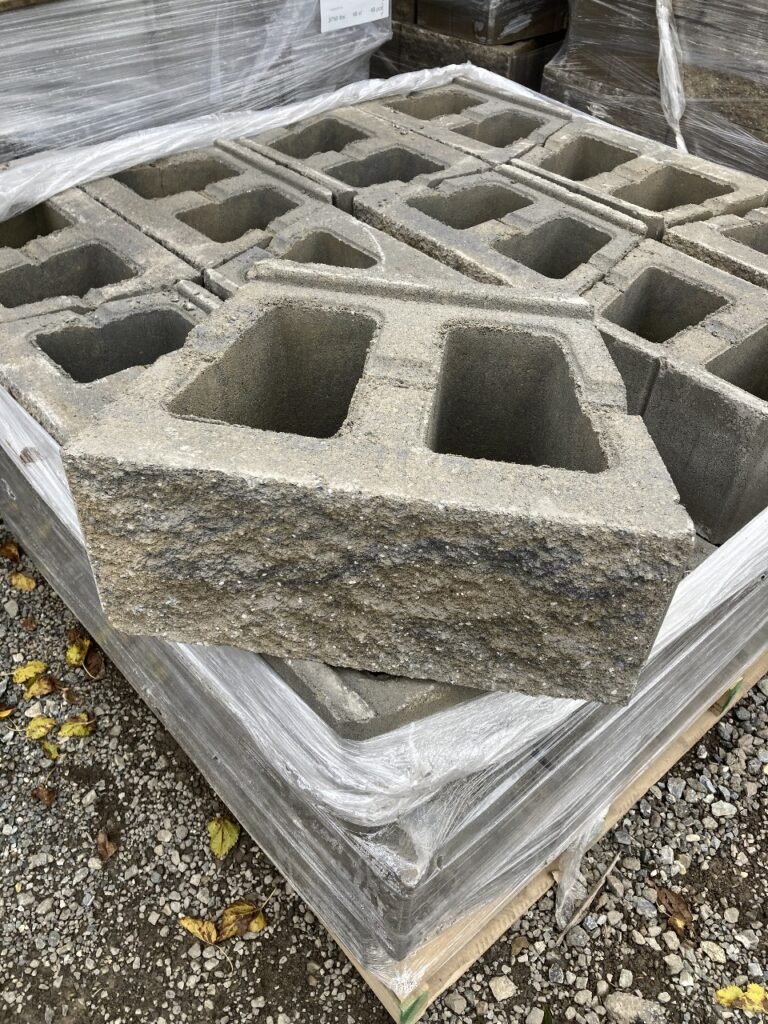
- Concrete blocks (great insulation but higher labor cost)
Roofing options also matter—metal roofs are durable, while asphalt shingles are cheaper but require more maintenance.
2. Labor and Contractor Charges
Hiring professional contractors typically accounts for a large portion of the cost. Labor rates vary depending on your location, project complexity, and the contractor’s experience.
You can find reliable home improvement resources and contractor-selection tips from platforms like this trusted website that helps homeowners make smart decisions: https://mynexthouseproject.com/.
3. Flooring and Foundation
A solid foundation is necessary for any garage. Most builders use a reinforced concrete slab. Costs increase if the land requires leveling, grading, or additional structural support.
4. Electrical and Plumbing Add-Ons
If you need lighting, power outlets, or water lines, these additions will increase the total cost. Workshops often require multiple power sockets and strong lighting systems.
5. Insulation and Climate Control
If you plan to use your garage as a workspace, insulation is essential. Insulation materials (spray foam, fiberglass, foam boards) vary in price. Installing heating or cooling systems also adds to the budget.
Steps Involved in Building a Garage
To better understand the construction journey, here is a simplified breakdown of what happens during the build.
Step 1: Permits and Approvals
Most local authorities require building permits. Getting approval ensures your garage meets building codes and is safe to use.
Step 2: Site Preparation
This step includes clearing the land, leveling the surface, and marking the garage layout. Proper preparation is vital for long-term durability.
Step 3: Foundation Installation
Builders pour a concrete slab foundation. It must cure properly before construction begins.
Step 4: Framing and Roofing
Walls and roofing structures are built using wood, metal, or concrete materials. This stage shapes the overall look and structure of your garage.
Step 5: Exterior and Interior Finishing
Exterior siding, doors, and windows are installed. Inside, you may choose insulation, drywall, and flooring.
Step 6: Electrical & Final Inspection
Electricians install wiring and lighting systems. The garage undergoes a final inspection to ensure everything meets safety standards.
Common Mistakes to Avoid When Building a Garage
Even small oversights can increase the cost or create safety concerns. Avoid these common mistakes:
Not Planning Enough Storage
If you don’t plan storage shelves or extra space early, you may regret it later.
Ignoring Future Needs
Maybe today you only need space for one car, but what about future vehicles, tools, or hobbies?
Poor Ventilation
Adequate ventilation is essential, especially if the garage will store chemicals or serve as a workshop.
Choosing Cheap Materials
Low-quality materials can lead to repairs sooner than expected. Balance affordability with durability.
Tips to Save Money When Building a Garage
Here are some smart ways to manage your budget effectively:
Keep the Design Simple
Complex designs cost more. Simple rectangular garages are more affordable.
Compare Contractor Quotes
Always compare multiple quotes before selecting a builder.
Use Cost-Effective Materials
Asphalt shingles, basic siding, and standard garage doors are cost-effective options.
Build During the Off-Season
Construction costs may be lower during colder months when contractors are less busy.
Final Thoughts
Building a garage is a smart long-term investment that provides convenience, enhances property value, and adds functional space to your home. Whether you’re planning a simple structure or a specialized workspace, careful planning and a thoughtful budget will help you build the perfect garage.
For more expert guidance, renovation tips, and home-building resources, consider exploring reliable home improvement platforms like the one at https://mynexthouseproject.com/ —a helpful source for homeowners looking to make informed decisions.